
🐹 Many parents of guinea pigs have encountered this – a lively little pig who had been eating the day before suddenly became lethargic, stiff in action, and even passed away in just a few days. This is likely due to metastatic calcification, which is known as the “silent health killer” of guinea pigs. It is asymptomatic in the early stages and often detected late. Today, I will explain this disease in a simple way to help you defend the health of your own little pig.
1. What Is Metastatic Calcification in Guinea Pigs
Metastatic calcification is a serious, often silent disease in guinea pigs. It happens when the body’s calcium, phosphorus, and magnesium levels get out of balance, causing calcium to build up and harden in soft organs, joints, and blood vessels.
The scariest part: many guinea pigs show no clear symptoms until it’s too late.
High-risk group: male guinea pigs over 1 year old, seniors, and those fed high-calcium diets.
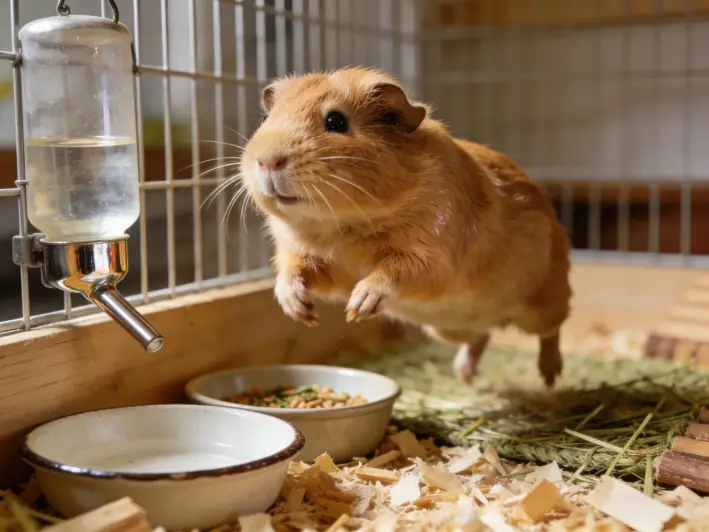
2. Warning Signs Your Guinea Pig Needs Help
Guinea pigs hide pain very well. Watch for these changes:
- Sudden, fast weight loss
- Stiff, slow, or awkward movements
- Crying or struggling when you pick them up
- Low energy, not moving or playing
- Drinking and urinating way more than normal
- Hiding often, not eating, or sitting hunched over
If you see any of these, take them to an exotic vet right away.
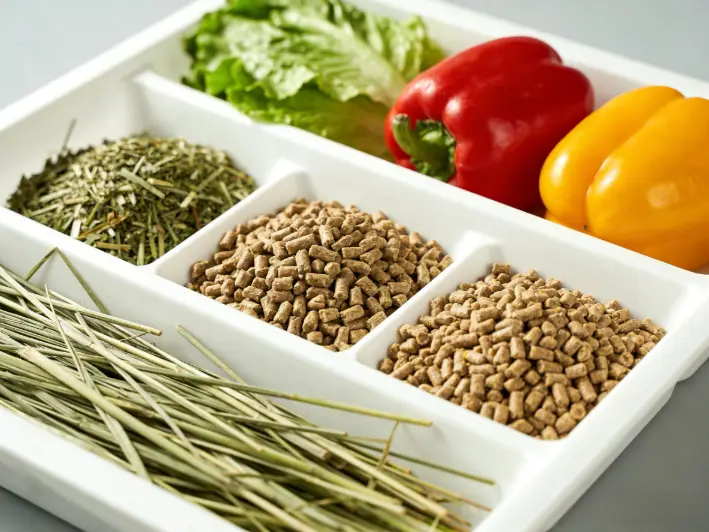
3. The Real Cause Behind This Dangerous Condition
Most cases come from bad diet choices:
- Too much calcium (alfalfa hay, high-calcium pellets, kale, spinach)
- Wrong calcium-phosphorus-magnesium balance
- Unnecessary supplements (calcium powders, extra vitamins)
- Long-term kidney stress from mineral overload
In short: too much calcium does NOT equal better health.
4. Diagnosis & Treatment: What to Do If You Suspect It
How vets diagnose
- Blood tests to check mineral and kidney levels
- X-rays to see calcium deposits in organs
- Your notes about diet, drinking, and behavior
Early-stage care
- Switch to a low-calcium, timothy hay-based diet
- Stop all high-calcium veggies and supplements
- Give pain meds and kidney support as prescribed
- Keep them calm and in a quiet, separate cage
Advanced cases
Sadly, severe organ calcification cannot be reversed. The kindest choice may be humane euthanasia to end suffering.
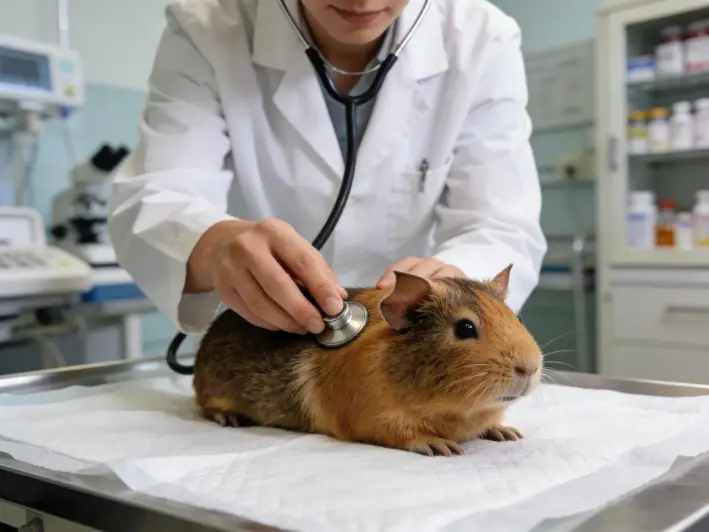
5. How to Prevent Metastatic Calcification Forever
Prevention is much easier than treatment. Follow these rules:
- Feed unlimited timothy hay + balanced guinea pig pellets
- Avoid high-calcium vegetables; stick to low-calcium options
- NEVER give extra calcium or supplements without vet approval
- Annual checkups for adults; 6-month checks for seniors
- Watch daily eating, drinking, and activity
Frequently Asked Questions
Q1: Can metastatic calcification be cured?
No. Once organs are hardened, there’s no cure. But early detection and diet changes can slow it down and keep your guinea pig comfortable.
Q2: What veggies are high in calcium?
Kale, spinach, mustard greens, and alfalfa-based foods should be limited or avoided.
Q3: Is urinary calcium the same as metastatic calcification?
No. A little white urine is normal. Thick, milky urine can be a sign of too much calcium, but it’s not the same as organ calcification.
Q4: Do I need to avoid all calcium?
No. Guinea pigs need some calcium. Just don’t give extra or feed overly high-calcium diets.
Q5: How often should I take my guinea pig to the vet?
Once a year for healthy adults. Every 6 months for guinea pigs over 3 years old.