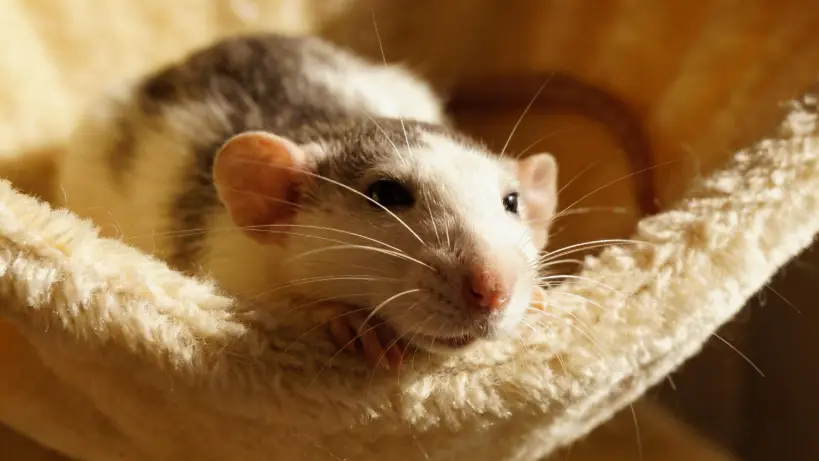
🐭 Many rat owners panic when they see their fancy rats with red, swollen skin or pus‑filled bumps. In most cases, this is staphylococcal infection—a common condition in pet rats that is highly treatable with early detection and proper care. This guide covers everything you need to know about diagnosis, treatment, and prevention, easy enough for new rat owners to follow.
1. What Is Staphylococcal Infection in Pet Rats?
Staphylococcus is a common commensal bacterium found on the skin and respiratory tracts of pet rats. It is harmless in healthy rats.
When the skin is broken or the immune system is weakened, the bacteria can invade the body, causing purulent skin infections and abscesses. In severe cases, it can affect the feet, face, and even lead to systemic infection.
This is not a mysterious foreign disease—it is a common issue caused by a combination of poor environment, low immunity, and skin damage. There is no need to panic, but it should be taken seriously.
2. 5 Critical Warning Signs to Watch For
If you notice any of these symptoms, act quickly to check for infection:
- Red, inflamed skin around the head and neck, with noticeable hair loss
- Pus‑filled lumps under the skin that are soft and fluctuant when touched
- Constant scratching at one spot, sometimes leaving bloody marks
- Swollen feet and limping, commonly known as “bumblefoot”
- Lethargy, loss of appetite, and inactivity
⚠️ Important note: Rats are good at hiding illness. If they show obvious discomfort, the condition is already serious.
3. Why Do Rats Get Infected? 3 Root Causes
- Unclean Environment
Old bedding and dirt buildup in cage corners let bacteria multiply rapidly, easily entering wounds.
- Skin Injuries
Fight bites, rough toy scratches, and wire cage floors that damage paws are common entry points for bacteria.
- Weakened Immune System
Overcrowding, extreme temperature changes, poor nutrition, and long‑term stress all lower a rat’s resistance.
4. Professional Diagnosis & Treatment: Never DIY
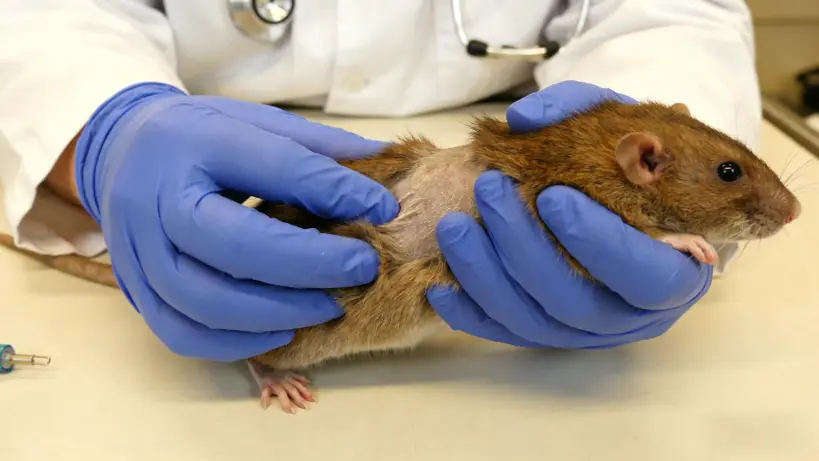
4.1 How It’s Diagnosed
Veterinarians use physical examination + pus sample culture to identify the exact bacteria, avoiding misdiagnosis with fungal or mite infections.
4.2 Standard Treatment (Strictly No Home Attempts)
- Professional drainage: Vet drains abscesses under sterile conditions to stop infection spread
- Wound irrigation: Clean the affected area with special disinfectants
- Topical medication: Apply antibacterial ointments
- Oral medication: Prescribe pet‑safe antibiotics based on body weight
- Pain relief: Ease discomfort to speed up healing
❌ Never squeeze abscesses at home! This can push bacteria deeper and cause life‑threatening sepsis.
5. Post-Treatment Care: 4 Steps to Prevent Relapses
- Trim Nails Regularly
Stop scratching from tearing healing skin.
- Change Bedding Daily
Keep the cage dry and clean, like a sterile hospital room.
- Give Medication On Time
Do not stop treatment early, which can lead to antibiotic resistance and reinfection.
- Boost Nutrition
Add cooked eggs, chicken, and other protein sources to speed skin repair.
6. Daily Prevention: A Full Circle of Environment & Diet
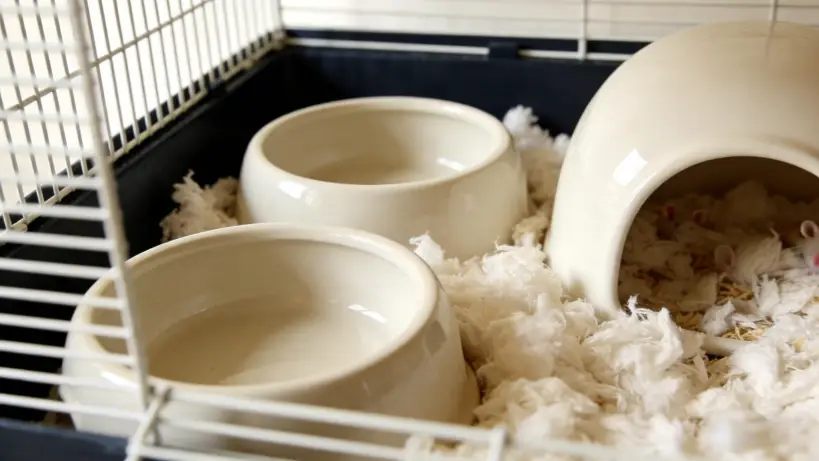
- Clean the cage thoroughly every week; change bedding every 2–3 days
- Use solid‑bottom cages instead of wire floors to protect paws
- Quarantine new rats for 14 days before introducing them to the group
- Keep humidity at 40%–60% to avoid dry cracked skin or bacterial overgrowth in heat
- Choose smooth ceramic or hard plastic toys to reduce scratch risks
- Feed a balanced diet (no table scraps) to keep immunity strong
🐹 Frequently Asked Questions (FAQ)
Q1: Can staph infection in rats spread to humans?
A: Highly unlikely. Rat‑specific strains rarely infect humans. Always wash your hands after handling sick rats to avoid cross‑contamination of other germs.
Q2: How to tell a minor wound from a staph infection?
A: Minor wounds scab and heal in a few days. Infections cause persistent redness, growing pus bumps, and constant scratching—symptoms get worse over time.
Q3: Can I treat it at home with just iodine or ointment?
A: Minor redness can be cleaned temporarily, but abscesses require veterinary care. Home care cannot fully drain pus and often leads to relapses or worsening infection.
Q4: How long does recovery take?
A: Visible improvement in 3–5 days with proper treatment; full recovery takes about 2 weeks. Finish the full medication course even if symptoms disappear.
Q5: What if infections keep coming back?
A: Improve living conditions, reduce overcrowding, enhance nutrition, and check for bullying or toy‑related injuries.
💡 Summary: Staphylococcal infection in pet rats is preventable, treatable, and not scary.
With good hygiene, early detection, and professional vet care, your rat will be back to being happy and healthy in no time.