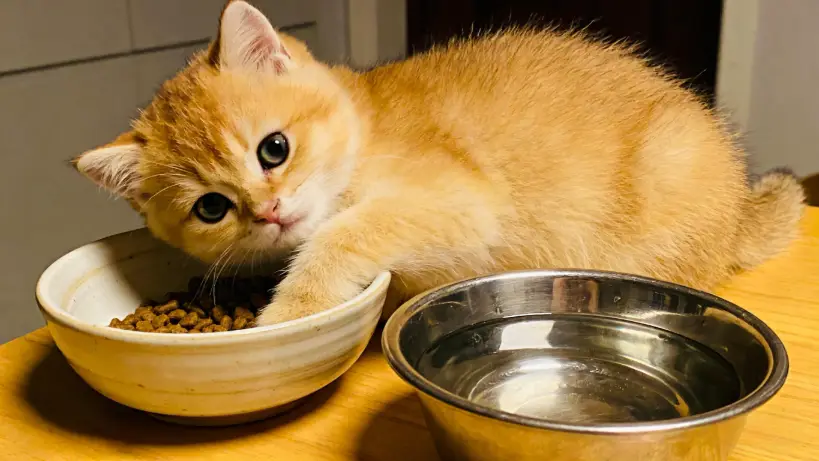
Bringing home a tiny, fluffy kitten can feel equal parts exciting and overwhelming. How much to feed, how often, and what to feed are the biggest questions for new owners. Kittens have delicate tummies and grow extremely fast; the wrong feeding routine can lead to soft stools, picky eating, or poor development. This complete guide takes you from newborn to adult cat—perfect for first-time parents.
1. The Best Time to Wean & Start Solid Food
Many people think kittens can eat dry food right after one month, but 5–6 weeks old is the ideal time to introduce solid food.
- Keep mother’s milk or replacement formula as the main food; offer small amounts of kitten wet food or softened dry food
- For bottle-fed kittens: mix formula with kitten food to make a smooth paste, then gradually reduce milk
- Most kittens fully adapt to solid food by 7–8 weeks old
Never force feeding. Let curiosity lead the way—it’s much easier on your kitten.
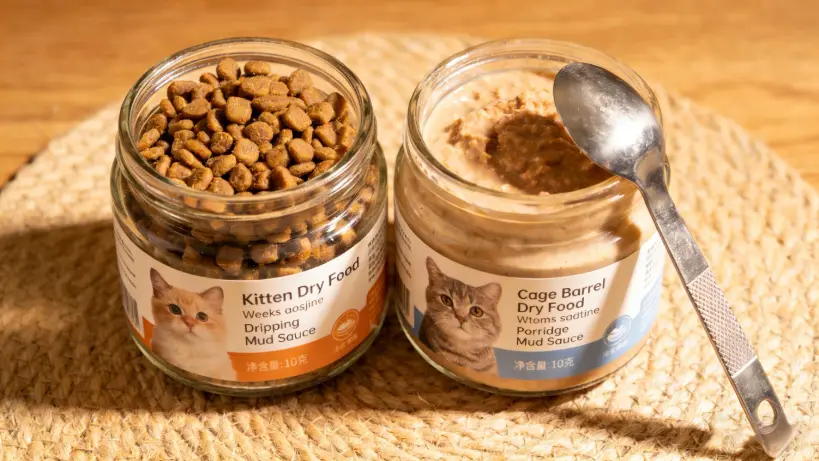
2. Choosing Kitten Food: Wet vs. Dry – How to Mix Them
You don’t have to pick one—a combination works best and balances both benefits:
- Wet food: High moisture, supports natural carnivore diet, great for hydration and sensitive stomachs
- Dry food: Easy to store, helps clean teeth, improves chewing strength
- Recommended mix: Dry food as base diet + 1–2 servings of wet food per day
Always choose food with animal protein as the main ingredient and added taurine. Avoid low-quality food high in plant protein—kittens are obligate carnivores and can’t thrive on vegetarian diets.
3. Age-Based Feeding Amounts & Schedule – No More Guessing
A kitten’s stomach is only about the size of a ping-pong ball. Small, frequent meals are essential.
Feeding Frequency
- Under 4 months: 3–4 meals per day, scheduled and measured
- 4–12 months: 2 meals per day, gradually reduce frequency
Suggested Feeding Amounts
- 2 months: ~150 calories per day, small portions, 3–4 times daily
- 5 months: Double the food, 2 meals per day
- 10 months: Growth slows; control portions to prevent obesity
Calories vary by brand, so adjust based on package guidelines and your kitten’s body condition. You should be able to feel ribs easily on a healthy kitten.

4. Switching to Adult Food: 7-Day Gentle Transition
Once your kitten turns 12 months old, you can slowly switch to adult cat food. Never change food suddenly—it often causes vomiting or diarrhea.
- Days 1–2: 25% adult food + 75% kitten food
- Days 3–4: 50% adult food + 50% kitten food
- Days 5–6: 75% adult food + 25% kitten food
- Day 7: 100% adult food
For sensitive stomachs, extend the transition to 10–14 days for safer adaptation.
5. Pro Feeding Tips: Bowls, Water, and Playtime
Bowl Choice
- Wide, shallow dishes to prevent whisker fatigue
- Stainless steel or ceramic – easier to clean and less bacteria
- Separate bowls for multi-cat homes to reduce competition
Water Tips
- Water fountains attract kittens far better than still bowls
- Place water away from food – cats avoid water near meals instinctively
- Add ice in summer, warm water in winter to encourage drinking
Mealtime Fun
- Use puzzle feeders or hide food for hunting-style play
- Talk softly during meals to build trust
- Stick to a schedule for healthy routine
6. Kitten Feeding Don’ts – Foods to Avoid
These dangerous foods are commonly misfed to kittens—memorize them:
- Toxic foods: Chocolate, onions, garlic, grapes/raisins
- Unsafe foods: Cow’s milk (lactose intolerant), raw fish (destroys thiamine), raw meat/eggs
- Bad habits: Free-feeding (leads to obesity), too many treats (ruins appetite)
7. Warning Signs – When to See a Vet Immediately
If you notice any of these, don’t wait—visit the vet right away:
- Refusing all food for over 24 hours
- Constant vomiting or diarrhea
- Sudden weight loss or no weight gain
- Drinking an unusual amount of water
Kittens have fast metabolisms. Going without food too long can cause severe liver issues.
❓ Frequently Asked Questions
Q1: When can kittens eat dry food?
A: Softened dry food can start at 8 weeks; fully hard dry food around 3 months, based on tooth development.
Q2: How many times a day should I feed my kitten?
A: 3 meals a day under 4 months; 2 meals a day after 4 months. Scheduled meals are healthier than free-feeding.
Q3: Can I feed my kitten human food?
A: Not recommended. Human food has seasonings and ingredients that harm cats and cause illness or poisoning.
Q4: What if my kitten gets diarrhea from food changes?
A: Pause the transition, go back to the previous ratio, take longer to switch, and add a small amount of probiotics.
Q5: How do I know my kitten is full?
A: A slightly round belly and walking away from the bowl mean they’re full. If they finish and lick the bowl, you can add a little more.
Raising a kitten doesn’t have to be hard. Stick to three rules: small frequent meals, high-quality food, gentle transitions, and you’ll have a happy, healthy cat. How old is your kitten? Share your tips in the comments!