
Is your cat spraying unpleasant odors all over your walls and furniture? No matter how much you clean, the problem keeps coming back. Many owners think cats are being naughty on purpose, but spraying is actually their way of communicating stress, territory needs, or discomfort. As a pet care professional with years of experience, I’ve helped hundreds of families solve cat spraying issues. Today I’ll share safe, gentle, and effective solutions to end this frustrating behavior for good.
1. Spraying vs. Inappropriate Urination: How to Tell the Difference
Many cat owners mix up these two behaviors, and they require different solutions.
- Spraying: Cat backs up to vertical surfaces (walls, furniture), tail stands tall and quivers, releases small amounts of strong-smelling urine. This is for territory marking and emotional signaling.
- Inappropriate Urination: Cat squats on horizontal surfaces (floors, beds), releases a full bladder of normal-smelling urine. Usually linked to health issues or litter box problems.
Quick check: Upright, quivering tail + vertical surfaces = spraying; squatting + horizontal surfaces = regular urination.
2. The 3 Main Reasons Cats Spray
Cats don’t spray without reason. The causes fall into three categories:
- Territory Marking
Multi-cat households, outdoor cats visible through windows, new furniture, or new pets can make cats spray to claim their space.
- Stress & Anxiety
Cats hate changes. Loud construction, new family members, shifted feeding times, or even a owner’s new look can trigger stress spraying.
- Medical Issues
About 30% of spraying cases stem from health problems: urinary tract infections, bladder stones, kidney disease, or other painful conditions.
3. 7 Steps to Stop Cat Spraying for Good
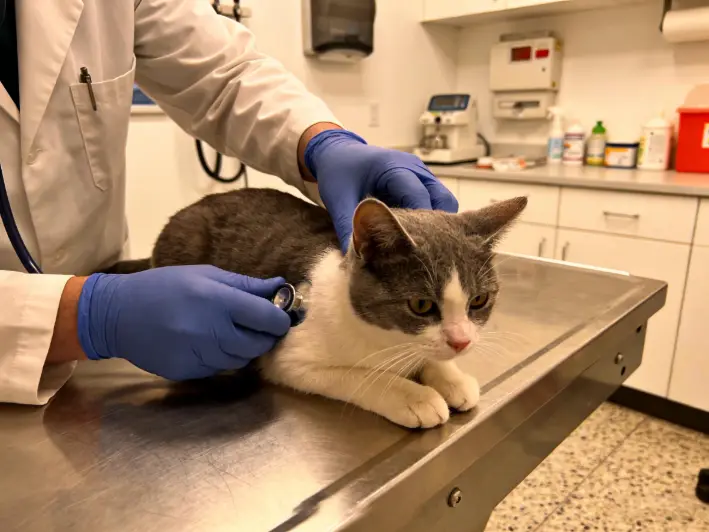
Step 1: Visit the Vet First
Rule out medical problems before anything else. A urine test and blood work can detect infections, stones, or organ issues. Treating the illness often stops spraying immediately.
Step 2: Spay or Neuter Your Cat
- 90% of intact male cats stop spraying after neutering as hormone levels stabilize.
- Intact females in heat often spray to attract mates; spaying eliminates this behavior.
Some fixed cats still spray (about 10% of males, 5% of females) — environmental changes will fix this.
Step 3: Create a Safe, Secure Environment
- Add cat trees and wall shelves for vertical space (cats feel safe high up).
- Separate litter boxes, food, and water bowls in multi-cat homes to prevent conflict.
- Use calming pheromone diffusers to reduce anxiety.
Step 4: Stick to a Consistent Routine
Feed, play, and clean litter boxes at the same times daily. Predictability calms cats.
Step 5: Block Outdoor Triggers
Use window film or curtains to hide outdoor cats. Place citrus-scented items near doors/windows — cats dislike citrus smells.
Step 6: Increase Playtime to Relieve Stress
Play 3 times a day with hunting-style toys. Active play releases endorphins and lowers stress, cutting spraying risk significantly.
Step 7: Use Positive Reinforcement — Never Punish
Scolding or confinement makes anxiety worse. Reward calm, good behavior with treats and pets to encourage good habits.

4. How to Clean Spray Marks So They Don’t Come Back
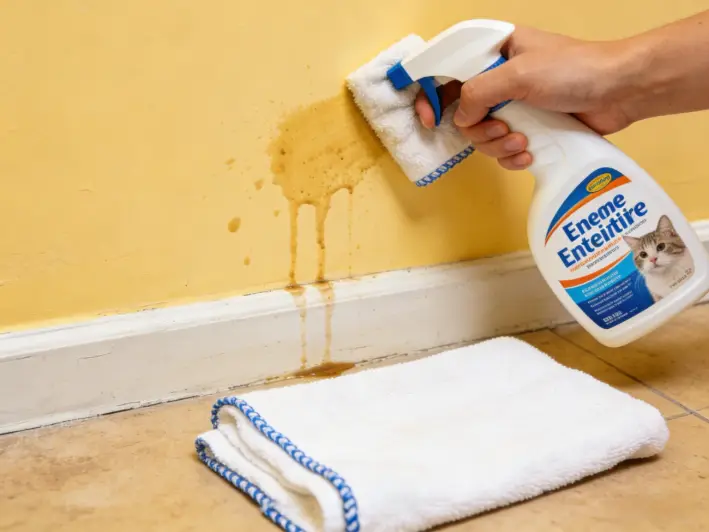
Regular cleaners only mask smells. Follow these steps:
- Blot (don’t rub) fresh urine to avoid spreading odor.
- Soak the area thoroughly with an enzymatic cleaner and let it air dry.
- Never use ammonia-based products — they smell like urine to cats and invite more spraying.
- After cleaning, place food bowls or citrus-scented items nearby; cats won’t mark where they eat.
5. What to Do If Spraying Continues
If no improvement after 4–8 weeks:
- Consult a certified cat behaviorist.
- Use vet-prescribed anti-anxiety medication.
- Try scent swapping: Rub a towel on one cat’s cheek, then gently rub it on another to create a shared scent.
6. Pro Tips to Prevent Spraying
- Spay/neuter kittens between 3–6 months old to prevent spraying habits.
- Schedule regular vet checkups to catch urinary issues early.
- Wipe furniture with citrus cleaner to discourage marking.
- Keep your home layout stable; avoid moving furniture often.
7. Frequently Asked Questions
Q1: Do female cats spray?
Yes. Intact females spray when in heat. About 5% of spayed females spray due to stress or territory, and the same fixes apply.
Q2: My cat is fixed but still sprays. What now?
Around 10% of neutered males and 5% of spayed females keep spraying due to stress or territory. Keep up environmental changes and cleaning — most improve in 4–8 weeks.
Q3: How to tell stress spraying from territory marking?
Stress spraying happens after changes, with lethargy or appetite loss. Territory marking focuses on doors, windows, and corners, and the cat acts normal otherwise.
Q4: My litter box is perfect — why is my cat spraying?
Spraying is marking behavior, not a litter box issue. It’s about emotions and territory, not toilet habits.
Q5: How long does it take to stop spraying?
Most cats improve within 4–8 weeks. Be patient and consistent.