Most fish keepers have probably encountered this: your fish suddenly has bulging eyes, small bubbles on its body, or floats motionless on the water surface… Don’t think it’s just “fooling around” — it’s likely Gas Bubble Disease (GBD), a life-threatening aquatic emergency that can be fatal if not treated promptly!
Both freshwater and saltwater fish can be affected, especially high-risk species like goldfish, koi, and cichlids. They can easily be troubled by bubbles if you’re not careful. Today, I’ll break down everything about GBD — its symptoms, causes, treatment, and prevention — in a way that even beginners can easily understand and handle quickly.
1. What Is Gas Bubble Disease (GBD)?
Gas bubble disease is a dangerous aquarium condition where tiny gas bubbles get trapped in a fish’s bloodstream, tissues, eyes, or gills.
These bubbles block blood flow, reduce oxygen delivery to organs, and cause severe stress. While not instantly fatal, untreated GBD leads to infections, blindness, suffocation, and even death.
It affects both freshwater and saltwater fish, and early action is the only way to save your fish.
2. Key Symptoms to Identify GBD Immediately
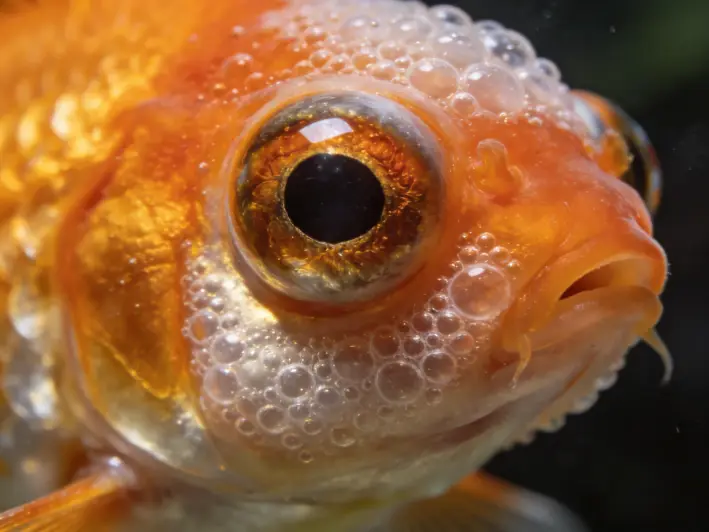
Fish can’t tell you they’re sick, so watch for these clear warning signs:
🔍 Visible Physical Signs
- Bulging eyes (often called popeye)
- Small bubbles under the skin or inside the eyes
- Swollen, bubble-like bumps on the body
🐟 Unusual Behavior
- Floating upside down or sideways, unable to swim normally
- Lethargy and loss of energy
- Not eating or showing no interest in food
- Gasping for air at the water surface
3. What Causes Gas Bubble Disease in Aquariums?
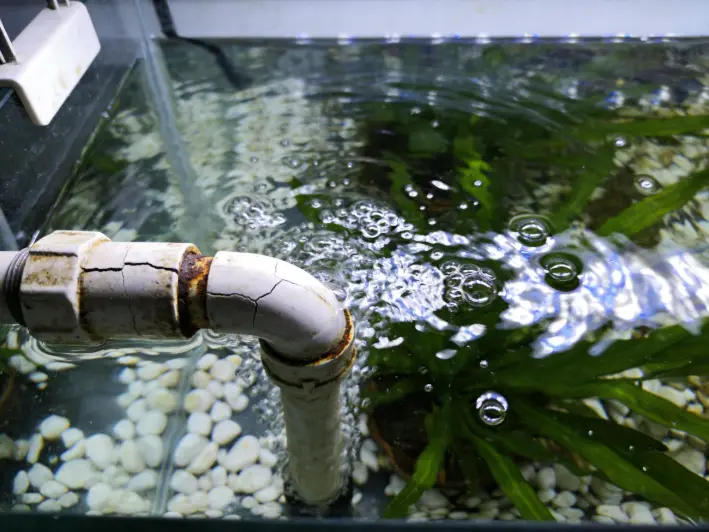
Most GBD cases come from poor tank environment and equipment issues:
- Leaky equipment
- Old air tubes, loose filters, or cracked parts create microbubbles that fish breathe in through their gills.
- Sudden water changes
- Large, fast water changes with big temperature differences make dissolved gas build up quickly.
- Too much aeration
- Overusing air pumps or bubble stones causes gas supersaturation in water.
- Injury from tank mates
- Bites or eye injuries from aggressive fish can lead to bubble buildup around wounds.
4. How Vets Diagnose Gas Bubble Disease
If you’re unsure, a fish vet will do a full check:
- Close inspection with magnifying tools
- X-rays or CT scans to find internal bubbles you can’t see
- Gill biopsies to check for blockages
Never ignore internal bubbles—they’re the biggest threat.
5. Treatment Plans for Mild & Severe GBD
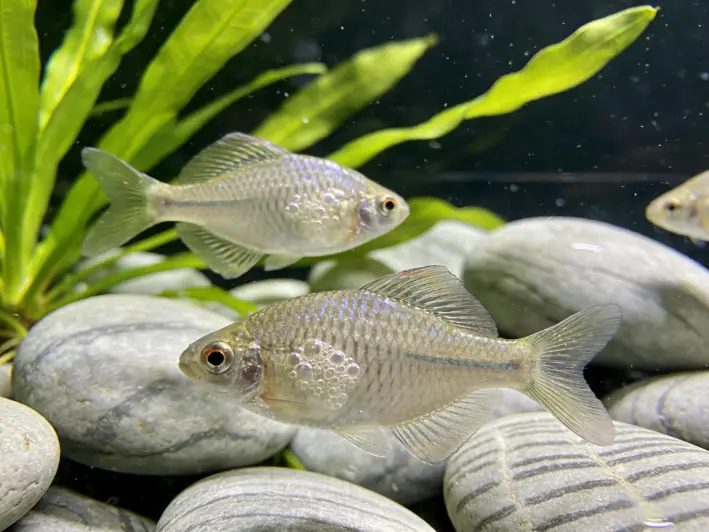
Treat GBD based on how serious it is.
✅ Mild Cases (Early Signs)
- Fix all leaking equipment and replace old tubes
- Lower aeration to reduce microbubbles
- Keep water temperature and conditions stable
- Monitor closely for 2–3 weeks
⚠️ Severe Cases
- Needle aspiration to remove visible bubbles
- Antibiotics to stop secondary infections
- Eye removal surgery if the eye is badly damaged (fish adapt well with one eye)
6. Recovery & Care for Sick Fish
Recovery time depends on severity:
- Mild: 3–7 days after fixing the environment
- Moderate: 2–4 weeks with medication
- Post-surgery: 6–8 weeks in a hospital tank
Care rules:
- Keep water very clean (nitrates below 20ppm)
- Feed high-quality food to boost immunity
- For blind fish: keep decorations fixed and feed in the same spot
7. How to Prevent Gas Bubble Disease for Good
Prevention is much easier than treatment.
🔧 Equipment Care
- Check tubes and filters for leaks monthly
- Replace old tubing regularly
- Listen for hissing sounds that signal small leaks
🌡️ Stable Water Environment
- Match water temperature when changing water
- Add new water slowly
- Reduce aeration during stormy or pressure-changing weather
📅 Daily & Weekly Checks
- Test water weekly
- Do small, regular water changes
- Watch high-risk fish closely (goldfish, koi, cichlids)
8. Common Myths About GBD
❌ Myth: GBD spreads from fish to fish
✅ Fact: It’s caused by environment, not infection.
❌ Myth: Any bubbles mean GBD
✅ Fact: Some fish (like bettas) make bubble nests naturally.
❌ Myth: More oxygen is always better
✅ Fact: Too much aeration is a top cause of GBD.
❓ FAQ: Most Common Questions
Q1: Will GBD go away on its own?
No. GBD gets worse without treatment. Bubbles damage organs and cause deadly infections.
Q2: Can water changes cause GBD?
Yes. Fast, cold water changes create gas supersaturation. Always change water slowly with matching temperature.
Q3: Which fish get GBD most often?
High risk: goldfish, koi, cichlids
Lower risk: bettas, guppies, mollies
Almost no risk: catfish (no swim bladder)
Q4: Can I treat GBD at home?
Mild cases can improve with Epsom salt baths (1 tablespoon per 5 gallons, 30 minutes max). Severe cases need a vet.
Q5: Do fish recover fully from GBD?
Yes, if treated early. Blind fish can live long, healthy lives with simple tank changes.
Healthy fish need clean, stable water. With regular care, you can keep GBD away from your aquarium for good.